

Key Takeaways
- Dietary supplements fall under distinct federal oversight categories separate from drugs.
- The FDA does not pre-approve the safety or efficacy of dietary supplements before they are marketed.
- Maintaining compliance with manufacturing standards is the responsibility of the producing company.
- Consumers should prioritize scientific transparency and independent third-party testing when evaluating products.
- Understanding the legal limits of marketing language helps identify reliable and compliant supplement brands.
Understanding federal regulations for dietary supplements
Navigating the regulatory landscape for wellness products requires a foundational understanding of how agencies classify specific goods compared to pharmaceuticals. Federal oversight distinguishes between intended use, which dictates which specific regulations apply to a given formulation. It is crucial for consumers to recognize that these categories carry different burdens of proof regarding safety and labeling.

How the FDA categorizes health and wellness products
The agency uses specific criteria to determine if a product is a food, a drug, or a dietary supplement. While food is regulated for basic safety and nutrition, health-related products are placed into a secondary tier that requires stricter documentation if they make specific health claims. This categorization often determines whether a product requires pre-market review or if it can enter the market through notification processes.
Distinctions between drugs, food, and supplements
Drugs are defined by their intent to diagnose, cure, mitigate, treat, or prevent disease. Dietary supplements, by contrast, are intended to support the normal structure or function of the body. When a product is marketed to perform like a drug, the agency may intervene to ensure the public is protected from unsubstantiated therapeutic claims.
The legislative framework governing supplement oversight
The primary legislation for these products is rooted in the Dietary Supplement Health and Education Act. This framework established the regulatory environment where manufacturers remain responsible for safety before their products reach the market. Companies like bHIP Global, which operates in the direct-sales market, must navigate these federal obligations by ensuring their product data remains transparent and aligned with existing law.
The reality of FDA approval for nutritional products
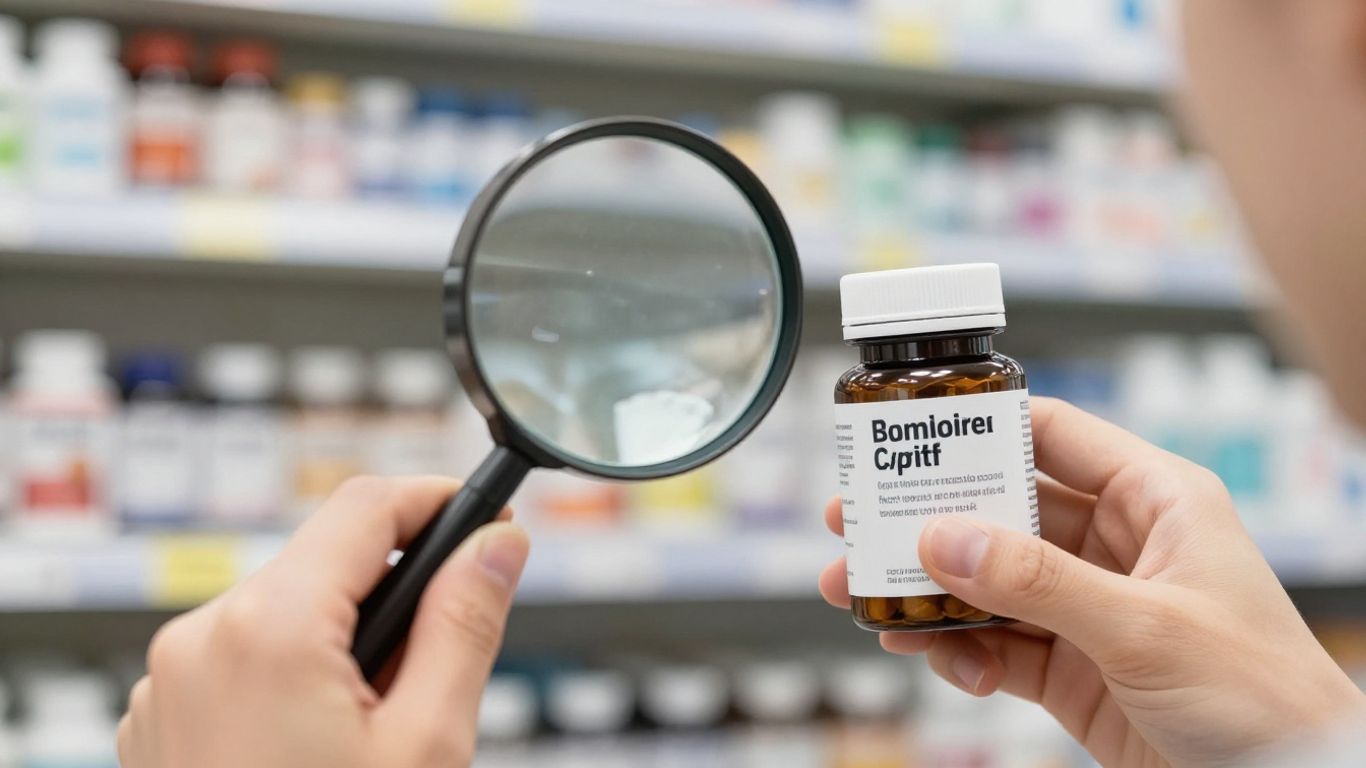
Many consumers operate under the misconception that a government seal of approval exists for everything found in a health store. In reality, the agency does not grant approval to dietary supplements before they are sold to the public. This distinction is significant because it prevents the false perception that the regulator has actively endorsed the ingredients list or the efficacy of the items on the shelves.
Why the FDA does not pre-approve dietary supplements
Unlike prescription medications, which undergo rigorous clinical trials for safety and effectiveness, supplements are not subject to a pre-market review loop. Manufacturers are expected to have a proprietary history of safety for their ingredients. The burden rests entirely on the company to provide the necessary evidence to support their safety Profile.
Identifying the difference between agency approval and market presence
Market presence simply indicates that a product meets basic notification requirements for legal sale within the United States. It does not signify that a regulator has validated the specific efficacy of the ingredients found in advanced products like the AIO Premium Cellular Health™ line. Agency attention is typically triggered by reports of adverse events rather than preemptive testing.
Dissecting the risks of "FDA approved" claims on product labels
Any product claiming to be "bHIP FDA approved" is fundamentally misrepresenting the regulatory process. Legitimate manufacturers understand that such language is a red flag for regulators. Using or implying such terminology can lead to direct enforcement actions, including warning letters or product seizures, because the statement creates a false sense of security regarding the product’s performance.
Regulatory guidance and facility oversight
While the agency does not approve the product itself, it does maintain authority over the buildings where those products are manufactured. The oversight of production facilities acts as a key component in ensuring that safety is not compromised during the manufacturing process. These regulations focus on the conditions under which goods are produced rather than the intended biological result of the product itself.
Understanding FDA registration requirements for manufacturing facilities
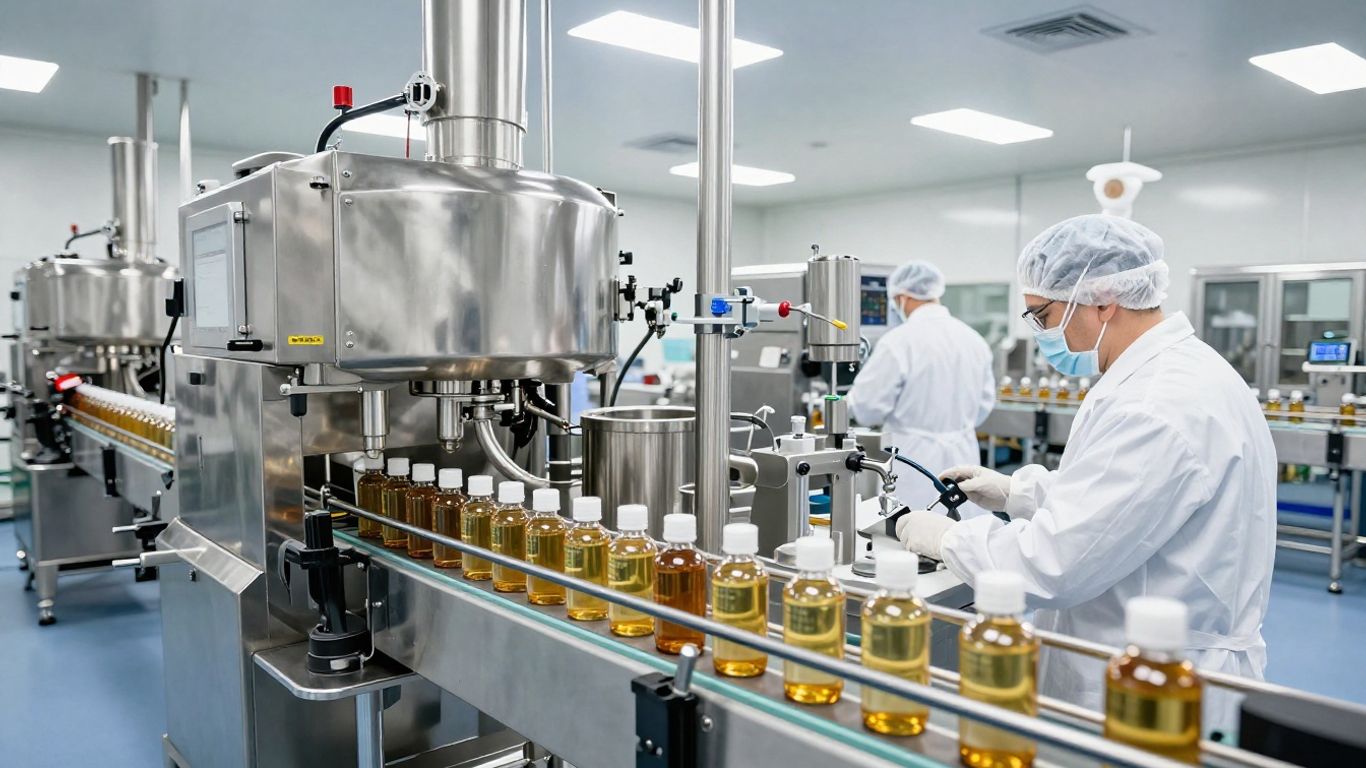
A facility must register with the government as a producer of dietary supplements and food products. This registry provides the agency with a list of locations, allowing for potential oversight. Registration does not constitute a stamp of quality, but rather an administrative necessity for legal operation in the space.
The scope and limitations of agency facility inspections
Inspectors can enter facilities to observe processes, check for proper record-keeping, and evaluate the overall sanitation of the environment. These inspections are often randomized or triggered by specific safety concerns. The agency is looking for evidence that the company is following standard procedures that prevent cross-contamination or the mislabeling of raw materials.
Maintaining compliance with current Good Manufacturing Practices (cGMP)
Companies must adhere to cGMP to ensure product consistency. For brands like the Activar® brand line of next generation topical cosmeceuticals, this means keeping extensive records on every batch produced. Compliance involves maintaining meticulous logs that track raw material quality, process parameters, and finished product specifications for every cycle of manufacturing.
Safety monitoring and consumer protections
Once a product is available to the public, the responsibility shifts toward monitoring its safety in real-world use. The agency relies on a post-market surveillance system that tracks feedback and reports from the field. This reactive approach helps identify patterns that may not have appeared during the initial formulation development stages.

How the FDA conducts post-market surveillance
Post-market surveillance involves the continuous monitoring of safety data through internal databases and consumer reporting channels. When a spike in specific health-related inquiries occurs, the agency analyzes those reports to determine if a public notification or investigation is required to address a chemical or physical hazard.
The process for reporting adverse health events
Consumers and healthcare practitioners use the MedWatch program to submit details regarding unintended side effects. This data is critical for regulators because it serves as an early-warning system for potential issues. The quality of these reports directly depends on the specificity of the symptoms mentioned by the user.
Understanding the role of recalls in the supplement industry
A recall occurs when a marketed product is found to be dangerous, mislabeled, or adulterated. Manufacturers may initiate a voluntary recall if they discover an internal quality failure. If a company fails to take action when significant safety risks are present, the government has the authority to mandate a removal from the market.
Evaluating marketing claims and compliance
Marketing language serves as the bridge between a company’s goals and consumer understanding. Compliance hinges on avoiding medical terminology when describing products that have not been clinically cleared for medical intervention. If a label suggests that a supplement can replace a prescription for a specific condition, it is likely navigating outside of permitted regulatory boundaries.
Fact-checking structure and function claims vs. medical claims
A structure/function claim explains how an ingredient affects body structure (e.g., "supports bone health"). A medical claim describes a reduction in disease symptoms or the prevention of a chronic illness. The former is lawful for supplement labels, while the latter is strictly reserved for approved drugs.
Identifying prohibited language regarding disease treatment or prevention
Regulators frequently flag language that uses terms like "cure," "treat," or "reverses" in the context of disease. Any wording that suggests a mechanism of action capable of stalling a disease process is scrutinized heavily. Brands must stick to describing the general wellness support provided by their ingredients.
Utilizing third-party certifications as indicators of quality and transparency
Third-party certifications provide an objective layer of verification. These organizations test products for contaminants, purity, and concentration consistency. While not a substitute for government oversight, seeing a reputable certifier’s mark on a product suggests the company has invested in independent accountability for its production standards.
Empowered consumerism in the direct-sales market
In the direct-sales industry, participants often serve as the first point of contact for new users. Educated consumers can distinguish between effective wellness products and deceptive marketing buzzwords by asking critical questions about ingredient provenance. Transparency is the most reliable indicator of a brand’s commitment to compliance and quality control.
Conducting independent due diligence on product ingredients
Before purchasing a new supplement, consumers should look for an accessible list of ingredients and manufacturer contact details. Researching the scientific evidence for specific botanical extracts or vitamins is easy with current digital tools. Being a mindful user means looking beyond promotional videos and reviewing the actual label specifications.
Interpreting public correspondence from regulatory bodies
If a company has been issued warnings regarding their practices, these interactions are often a matter of public record on official databases. Reading through a warning letter or notice can clarify whether a brand is actively improving its processes or failing to address significant safety deficiencies. These records are the most transparent way to see how a manufacturer handles conflict.
Prioritizing brand transparency over marketing buzzwords
Marketing terms that sound scientific but lack clear data are common in the wellness space. Consumers should prioritize companies that provide clear documentation on how they source their materials. Transparency regarding third-party testing and standard manufacturing certifications shows that a brand prioritizes long-term integrity over ephemeral trends.
Conclusion
Navigating the world of dietary supplements requires a mixture of skepticism and verification, particularly regarding the regulatory status of these goods. While the agency provides a framework for manufacturing and safety, it does not act as a pre-market validator of performance, making it essential for users to stay alert to misleading claims. By focusing on ingredient quality, facility compliance, and transparent marketing, consumers can make safer choices in an industry that remains primarily self-regulated.
Frequently Asked Questions
Is it possible to verify if a brand is registered with the FDA?
Yes, companies that manufacture supplements are generally required to register their facilities, and this registration information can be cross-referenced through official regulatory databases.
What should a consumer do if they experience a negative reaction to a supplement?
If you experience a physical issue after taking a supplement, you should stop using it immediately, consult your doctor, and report the event to the agency through an official reporting portal.
Are there legitimate ways to verify the quality of supplement ingredients?
Consumers can look for third-party certificates of analysis or verify if a manufacturer adheres specifically to cGMP standards, which document the purity and concentration of raw materials used.
Does the lack of agency approval mean a supplement is unsafe?
Not necessarily, as many regulated manufacturers follow strict internal safety protocols; however, it does mean the product has not been subjected to the same level of scientific vetting as prescription-grade drugs.
Why do some supplement advertisements sound like medical advice?
Some companies use aggressive marketing language to attract buyers, but any claim that a product treats, heals, or prevents specific diseases is typically non-compliant with the regulations governing the industry.
If a facility is inspected by regulators, does that guarantee the product is good?
Facility inspections focus on hygiene, manufacturing processes, and safety record-keeping rather than the specific health benefits or quality metrics of the actual pills or powders produced.
Should I check for specific regulatory certifications on a product label?
While basic registrations are required by law, seeking additional third-party seals from independent testing laboratories can provide external evidence that the product contains what the label claims.